


 Sep 07, 2026
 0 Comment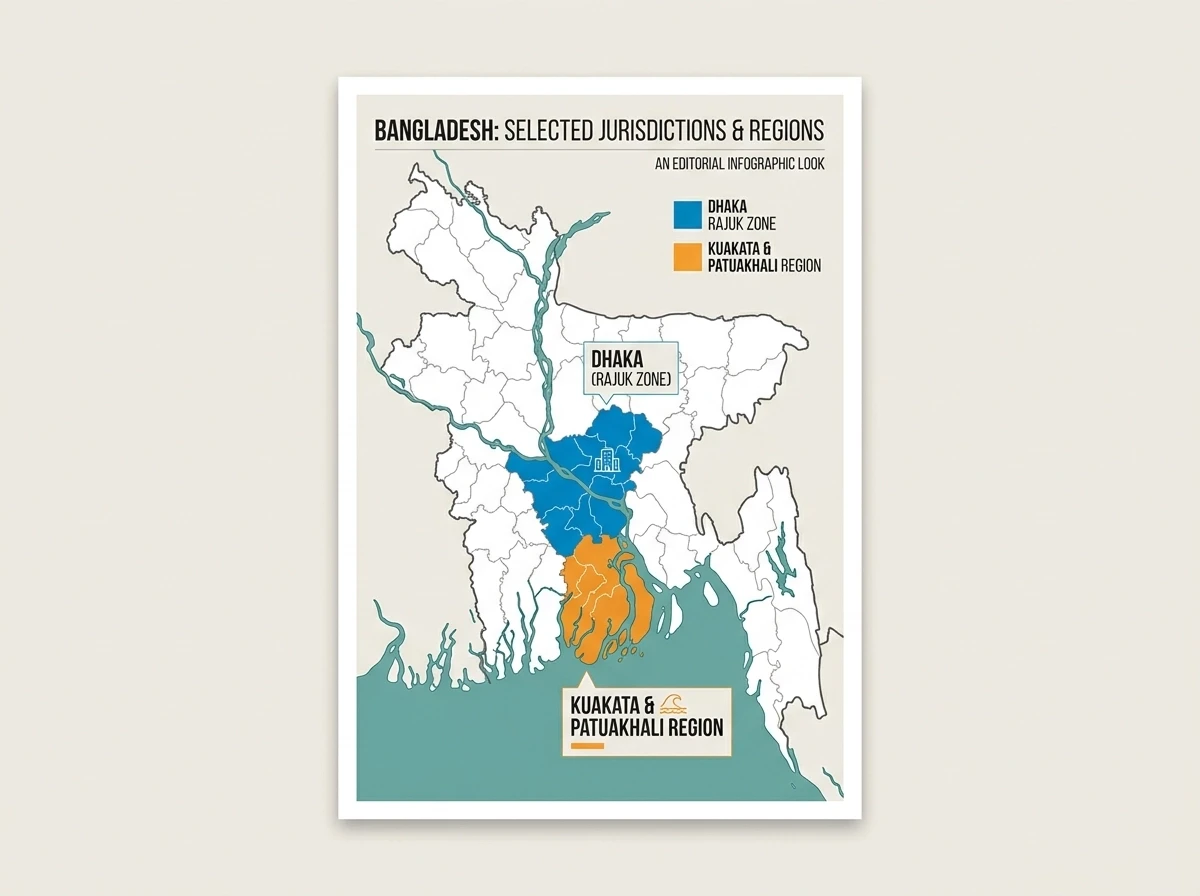
Land Registration, Building Compliance & Foreign Investment Rules for Bangladesh Real Estate (2026 Guide)
Land Registration, Building Compliance & Foreign Investment Rules for Bangladesh Real Estate (2026 Guide)
Real estate investment in Bangladesh - especially in emerging coastal destinations - comes with a legal and regulatory framework that's often misunderstood, particularly outside Dhaka. This guide breaks down how land registration actually works, which authority governs building compliance in areas like Kuakata, and what the current rules are for foreign nationals and non-resident Bangladeshis (NRBs) looking to invest.
This article is for general informational purposes and does not constitute legal advice. Real estate law in Bangladesh involves multiple overlapping authorities and is subject to change - always consult a qualified property lawyer before finalizing any transaction.
How Land Registration Works in Bangladesh
Land ownership and transfer in Bangladesh is governed primarily by two long-standing pieces of legislation: the Transfer of Property Act, 1882 and the Registration Act, 1908. These apply nationwide - including in coastal districts like Patuakhali, where Kuakata is located - and set out the core process for legally transferring property.
The general land registration process involves:
- Title verification - confirming the seller's legal ownership through land records (CS, SA, RS, and BS Khatian - the historical survey records used to trace ownership) at the local Land Office and Sub-Registrar's Office.
- Deed of sale (Sale Deed/Kabala) preparation - drafted and executed between buyer and seller, specifying the property, price, and terms.
- Registration at the Sub-Registrar's Office - the deed must be registered at the Sub-Registrar's Office in the jurisdiction where the property is located (not necessarily where the buyer resides), along with payment of the applicable registration fee, stamp duty, and local government tax.
- Mutation (Naam Jari) - after registration, the buyer must apply to have the property record updated in their name at the local Land Office (Assistant Commissioner of Land/AC Land office), which is essential for future tax payments, resale, and legal recognition of ownership.
- Updated land tax records - ongoing annual land development tax (Khajna) must be paid and kept current, as unpaid tax can complicate future transactions.
Practical tip for investors: Before purchasing any property - including fractional shares in a resort or villa development - verify that the underlying land itself has a clean, registered title with completed mutation, independent of the developer's own sales documentation. This is the single most important due diligence step in any Bangladeshi property transaction.
Building Compliance Outside Dhaka: Why RAJUK Doesn't Apply to Kuakata
A common misconception is that RAJUK (Rajdhani Unnayan Kartripakkha) governs building approval nationwide. It doesn't - RAJUK's jurisdiction is limited to Dhaka city, where it handles zoning, land use clearance, and building plan approval under its own building rules and the Detailed Area Plan (DAP).
For a coastal destination like Kuakata (under Kalapara Upazila, Patuakhali district), building and development compliance instead falls under a different set of authorities:
- Local Upazila and Pourashava (municipal) authorities - responsible for basic building permissions and local development control in areas outside major city development authorities.
- Regional development authorities - Bangladesh has been steadily establishing dedicated development authorities for major regions outside Dhaka (Barishal Development Authority being one relevant example for the wider Barisal division), which take on planning and building-approval functions similar to RAJUK's role in the capital.
- Department of Environment (DoE) clearance - given Kuakata's proximity to ecologically sensitive areas, including Kuakata Ecopark and coastal forest zones, environmental clearance is a critical and sometimes overlooked compliance step for larger tourism and hospitality developments.
- Bangladesh National Building Code (BNBC) - structural and safety standards under the BNBC apply nationally, regardless of which regional authority handles planning approval.
Why this matters for investors: When evaluating a resort or villa development project, ask specifically which local authority approved the building plan and environmental clearance - "RAJUK approved" is not a meaningful claim for a property outside Dhaka, and its use (intentional or not) should be treated as a red flag rather than a credibility signal.
Foreign Investment Rules: What Applies to Whom
This is the area with the most nuance, because Bangladesh treats foreign nationals and non-resident Bangladeshis (NRBs) very differently under the law.
Non-Resident Bangladeshis (NRBs)
NRBs - Bangladeshi citizens living abroad - generally hold the same property ownership rights as resident citizens. This means NRBs can purchase land, apartments, villas, and commercial real estate in Bangladesh without special government approval, provided funds are remitted through proper banking channels.
Key points for NRB investors:
- Funds must be transferred through official remittance channels with a documented inward remittance trail - cash transactions or informal transfer methods can trigger banking compliance issues and complicate future repatriation of funds.
- Agricultural land is generally restricted for NRBs unless acquired through inheritance - this typically doesn't affect resort, villa, or commercial hospitality investments, but it's worth confirming the land classification before purchase.
- A Power of Attorney (POA), properly executed and apostilled/legalized abroad, allows an NRB to complete a purchase or manage property remotely through a trusted representative.
- NRBs are generally subject to withholding tax on rental income and capital gains tax on resale, similar to resident investors, though specific rates can change - confirm current rates with a tax advisor at the time of transaction.
Foreign Nationals (Non-Bangladeshi Citizens)
The rules here are considerably less clear-cut. Bangladeshi law does not explicitly prohibit foreign nationals from owning property, and the Foreign Private Investment (Promotion and Protection) Act, 1980 provides a legal basis for foreign property ownership - but in practice, this is subject to government approval through the Bangladesh Investment Development Authority (BIDA), and the approval process is often described as lengthy and not fully standardized.
For this reason, foreign nationals interested in Bangladeshi real estate - including fractional hospitality investments - typically pursue one of a few more established paths:
- BIDA-approved investment, where the acquisition is structured as part of a registered foreign investment
- Company ownership structures, where a foreign investor holds shares in a Bangladeshi company that in turn holds the property, rather than direct personal title
- Leasing arrangements, which carry fewer restrictions than direct ownership and are a more common route for foreign nationals seeking use of property without a direct title purchase
Bottom line for foreign investors: Direct property ownership is legally possible but administratively complex and not guaranteed on a standard timeline. Anyone structuring a foreign investment into Bangladeshi real estate should work with a lawyer and, where relevant, go through BIDA from the outset rather than treating approval as a formality.
A Practical Compliance Checklist for Investors
Before investing in any Bangladeshi real estate project - particularly fractional ownership models in tourism developments - verify:
- Land title chain: Is the underlying land registered with a clean title and completed mutation in the developer's name?
- Building/development approval: Which specific local authority approved the project, and can that approval be verified independently?
- Environmental clearance: Has the Department of Environment issued clearance, particularly relevant for coastal or ecologically sensitive locations?
- Investment structure documentation: For foreign nationals, is the investment structured through BIDA or a compliant company/lease arrangement? For NRBs, is the remittance path properly documented?
- Tax obligations: Are land tax (Khajna) payments current, and is the applicable registration, stamp duty, and capital gains treatment clearly disclosed?
Why This Matters More in Emerging Destinations
Regulatory clarity tends to lag behind development in fast-growing coastal areas - which makes independent due diligence more important, not less, when investing in early-stage tourism destinations like Kuakata compared to established markets. A credible developer should be able to answer every question on the checklist above clearly and provide supporting documentation without hesitation.
Frequently Asked Questions
Does RAJUK approval apply to properties in Kuakata? No. RAJUK's jurisdiction is limited to Dhaka. Properties in Kuakata fall under local Upazila/Pourashava authorities, relevant regional development authorities, and national building and environmental regulations rather than RAJUK.
Can foreigners legally buy property in Bangladesh? It's legally possible under the Foreign Private Investment (Promotion and Protection) Act, 1980, but requires government approval, typically through BIDA, and the process is often lengthy. Many foreign investors instead use company ownership structures or leasing arrangements.
Do NRBs need special permission to buy property in Bangladesh? No. NRBs have the same property rights as resident citizens and don't require special government approval, provided the purchase is funded through proper banking/remittance channels.
What is mutation, and why does it matter? Mutation (Naam Jari) is the process of updating land records to reflect the new owner's name after a registered sale. It's essential for legal recognition of ownership, future tax payments, and reselling the property later.
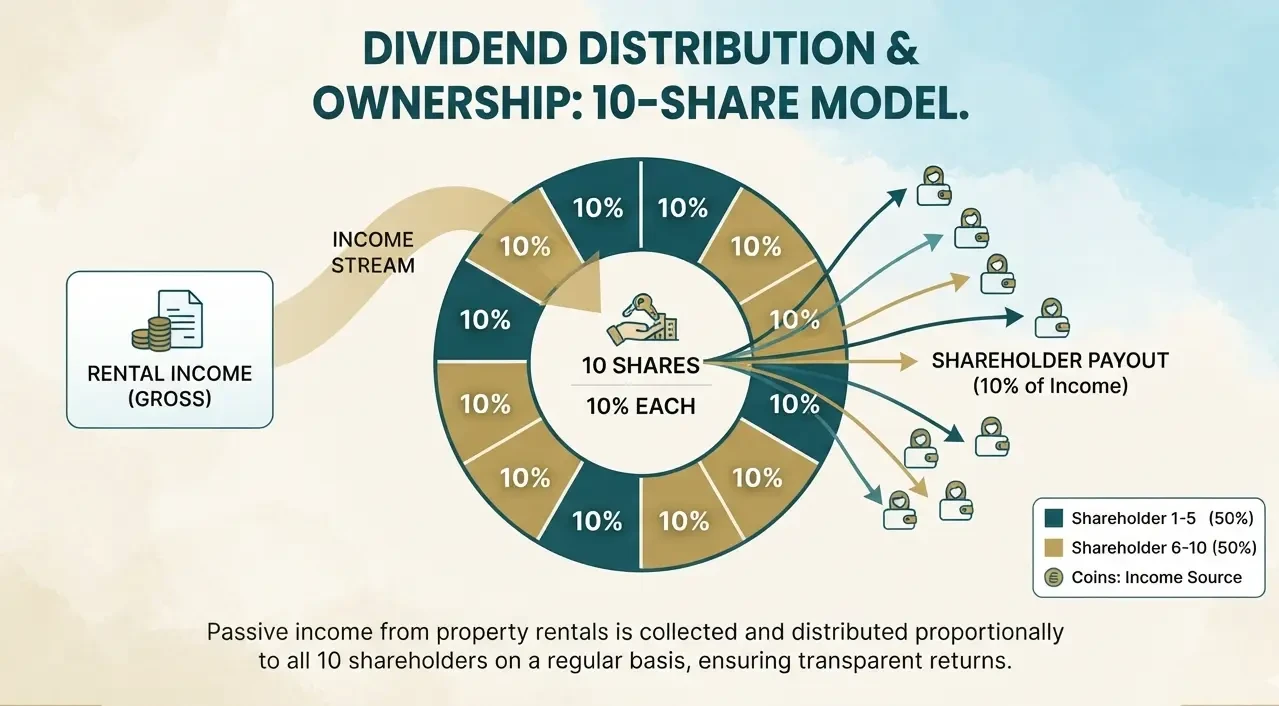
Due diligence matters just as much for fractional investments as for full property purchases. Sagarneela Luxury Resort's villa and hotel share structure is built on verified land title and applicable regulatory compliance — learn more about the project here.



0 Comment