


 Oct 12, 2026
 0 Comment
How to Vet a Real Estate Developer in Bangladesh: A Due Diligence Checklist
In Bangladesh, the property you are buying is only as safe as the developer selling it. A beautiful brochure and a confident sales team tell you very little. What protects you is verification: checking who the developer legally is, whether the land is genuinely theirs to sell, which approvals exist, and what the contract actually promises.
This checklist is built for anyone about to commit money to a real estate project, whether that is a flat, a plot, or a share in a fractional ownership development.
This article is for general information only and is not legal or investment advice. Requirements can change and vary by project and location. Have a qualified property lawyer review all documents before you pay or sign anything.
Why Due Diligence Matters More Here
Trust is a real issue in Bangladesh's property and investment market. Many buyers have heard stories of delayed handovers, disputed titles, or schemes that promised too much. The good news is that most of these problems are visible in advance to a buyer who asks the right questions and insists on seeing documents. A credible developer expects this scrutiny and welcomes it.
1. Verify the Developer Itself
Start with the company, not the project.
- Company registration. Confirm the developer is a properly incorporated company with the Registrar of Joint Stock Companies and Firms (RJSC). Ask for the certificate of incorporation.
- Real estate developer registration. Under the Real Estate Development and Management Act, 2010, developers carrying out real estate business are required to register, and the registration process involves documents such as a trade license, TIN certificate, and VAT registration number. Ask to see the registration.
- REHAB membership. The Real Estate and Housing Association of Bangladesh (REHAB) is the industry's main trade association. Membership is not a guarantee of quality, but it is a meaningful credibility marker, and you can verify it directly with REHAB rather than relying on a logo in a brochure.
- Registration numbers in advertising. The Act expects developers to state their registration number and relevant plan approval details in their prospectus and advertisements for sale. If an advertisement shows none of this, ask why.
2. Verify the Land Title
This is the single most important check. A developer can only sell what it legally owns or controls.
- Ask to see original documents, not just photocopies. A confident developer will arrange this.
- Trace the title chain. Your lawyer should review the history of ownership through the relevant land records (CS, SA, RS, and BS khatian) and the registered deeds that moved the land from owner to owner.
- Confirm mutation. The land record at the local land office should show the current owner's name. A seller who has not completed mutation has an incomplete ownership record.
- Check land tax payment. Up to date land development tax (khajna) receipts are a basic sign of an organized, current title.
- Look for encumbrances and disputes. Ask whether the land is mortgaged, under any court case, or subject to any claim. Have your lawyer search accordingly.
- Check the land classification. Make sure the land is classified in a way that permits the intended development.
A good practice is to commission an independent title opinion from your own lawyer, not one recommended by the developer.
3. Check Approvals and Their Status
Large developments need several approvals, and they often arrive in stages as a project progresses.
- Design and building plan approval from the relevant authority for that location. Remember that RAJUK only covers Dhaka, so ask which authority actually approved a project outside the capital.
- Environmental clearance where required, which is especially relevant for coastal and ecologically sensitive areas.
- Other approvals or no-objection certificates relevant to the project type.
The useful question is not only "do you have approvals" but "which approvals are complete, which are in progress, and what is the expected timeline for the rest?" An honest developer can answer this precisely, with dates and reference numbers. Vague answers are a warning sign.
4. Review Track Record and Construction Progress
- Visit the site yourself, or send a trusted representative if you live abroad. Compare what is built to what was promised.
- Ask for completed projects and speak to people who bought in them.
- Check delivery history. Were previous projects handed over on time? If delayed, why, and how were buyers treated?
- Ask for progress updates. A developer with real construction underway should be able to share dated photos or reports.
5. Read the Agreement Carefully
Before paying anything beyond a small booking amount, read the full agreement with your lawyer. Look for:
- The exact payment schedule and what each payment is for
- The delivery or handover date, and the penalty or compensation if it is missed
- Refund and cancellation terms
- For fractional or investment models, the resale and transfer rules for your share
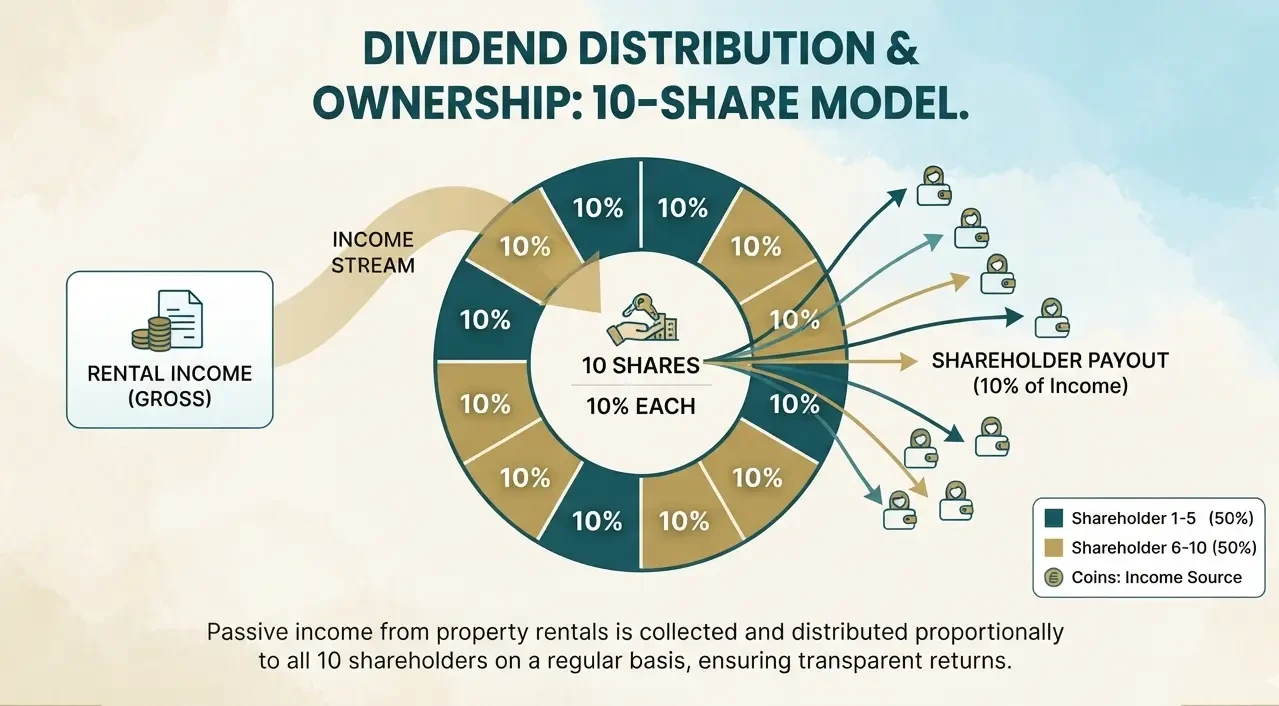
- Who manages the property, what fees they charge, and how income is calculated and reported
- How disputes are resolved
Anything promised verbally in a sales meeting but missing from the written agreement should be treated as not promised.
6. Protect Your Payments
- Pay through bank channels into the company's official account, never in cash and never to an individual's personal account.
- Get an official receipt for every payment.
- Keep records of every transfer, receipt, and signed document in one place.
- Avoid pressure. Deadlines that exist only to force a quick decision, such as "this price ends tonight," deserve extra caution.
7. Understand the Income Model (for Investment Properties)
If a project promises income, understand where it would come from.
- Is the income tied to real operations such as rentals or hospitality, or is it simply promised?
- How is profit calculated, what costs are deducted, and how often are owners paid and updated?
- Are any figures described as estimates or potential, with a clear note that actual results depend on performance?
Be cautious of any developer who describes returns as fixed or guaranteed. Real operating businesses have good and bad periods, and honest projections say so.
Red Flags at a Glance
Red Flag Why It Matters
Guaranteed or fixed high returns Real property income depends on actual performance Reluctance to show original land documents A legitimate owner has nothing to hide No registration number in advertisements Developers are expected to disclose registration and approval details Requests for cash or personal account payments Removes your protection and paper trail Vague answers about approvals Approvals should be specific, dated, and verifiable Pressure to sign or pay immediately Legitimate projects survive a lawyer's review Only verbal promises If it is not in the written agreement, it is not binding
Putting It Into Practice
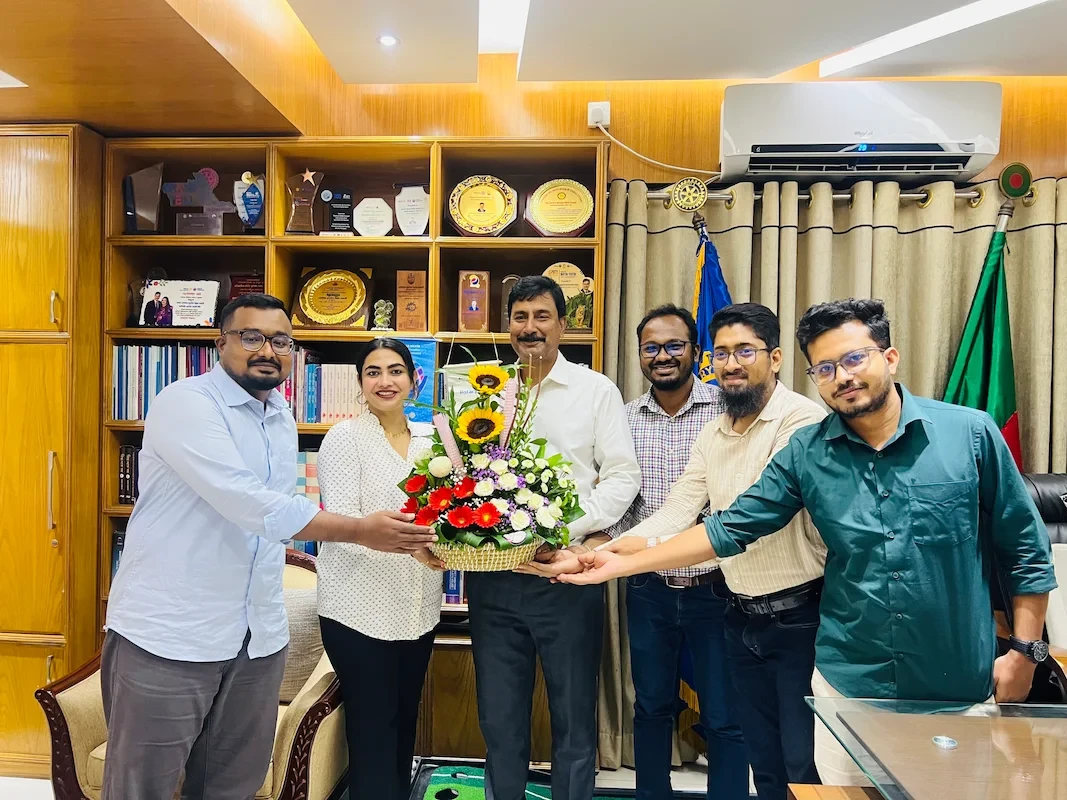
A good developer makes this process easy. For example, Mach10 Holdings, the developer behind Sagarneela Luxury Resort in Kuakata, is a REHAB certified member and invites prospective investors to review original land ownership documents at its office. Whichever developer you consider, apply the same checklist and ask for the same level of documentation.
Frequently Asked Questions
What is the first thing I should check about a real estate developer? Confirm the company is properly incorporated and registered, then verify the land title. These two checks catch the most serious problems early.
Is REHAB membership enough to trust a developer? No. It is a useful credibility marker, but it is not a substitute for verifying land title, approvals, and the written agreement yourself.
Should I hire my own lawyer? Yes. An independent lawyer reviewing the title and agreement protects your interests in a way a developer's own legal team cannot.
Can I verify a developer if I live abroad? Yes. You can authorize a trusted representative through a properly executed Power of Attorney to inspect documents and the site, and many developers will share documents for remote review in advance.
What if a project's approvals are still in progress? Ask exactly which are complete, which are pending, and the expected timeline, then have your lawyer assess whether the payment schedule is reasonable against those milestones.
If you want to apply this checklist to a real project, you can review the ownership structure and documentation process for Sagarneela Luxury Resort in Kuakata. Any projected returns are estimates only and are not guaranteed.




0 Comment